EN



Custom Boxing Custom Mouth Guard For Maximum Protection And Comfort
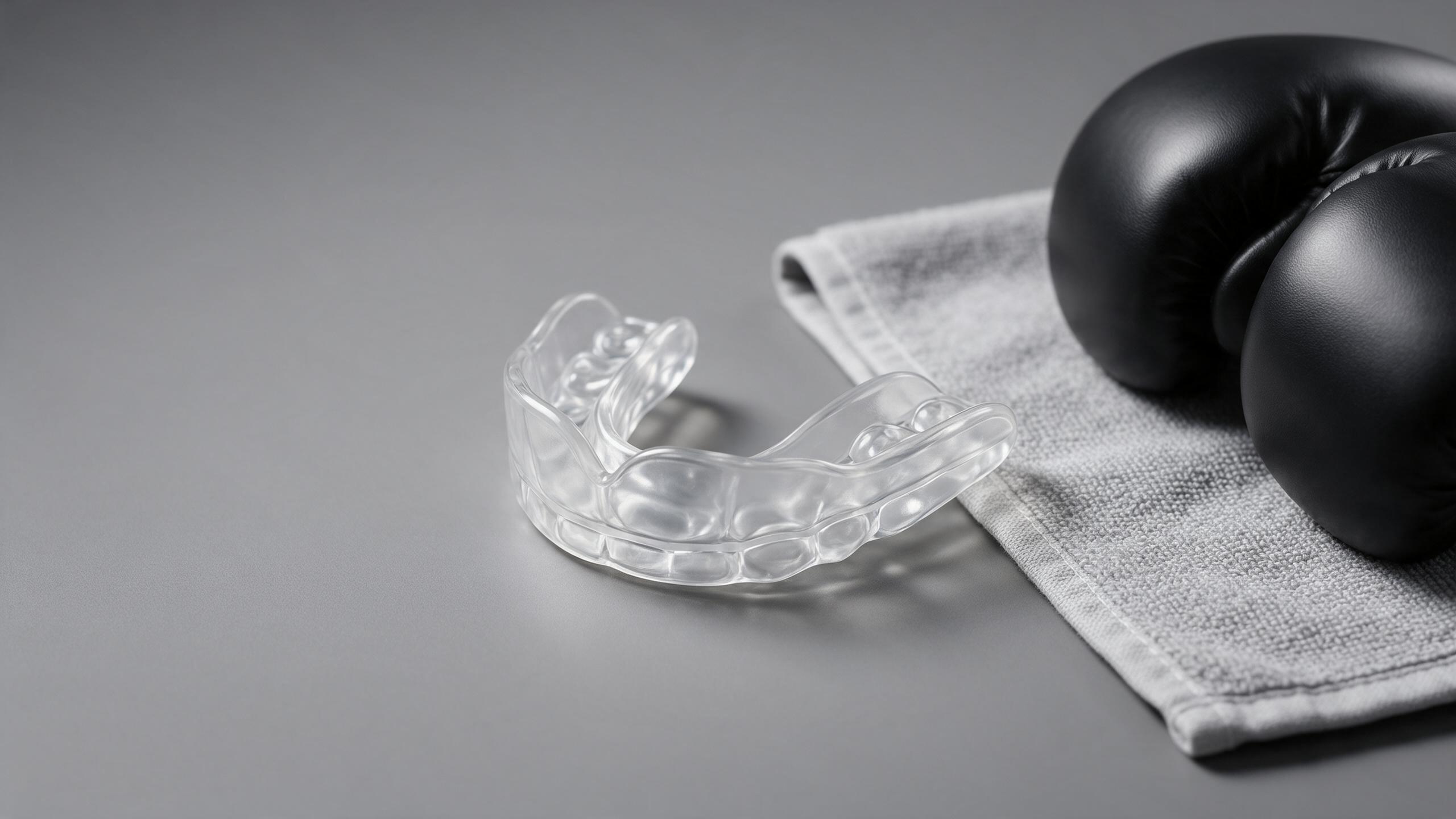
A guard that looks substantial in a product photo may feel different during sparring. It needs to stay in place as the boxer moves, allow comfortable breathing and provide coverage where it is needed. A boxing custom mouth guard is shaped for an individual mouth, but the word “custom” alone does not tell you how well a particular guard fits or what it can withstand.
From a boxing equipment perspective, fit, coverage and practical use belong in the same conversation. Whether you are choosing sports gear for yourself or assessing it for a retail range, ask how the guard is made, how fit will be checked and what information supports its intended use.
Why fit matters when punches are involved
Boxing exposes the mouth to contact from many directions. A properly fitted mouthguard can help cushion the teeth and surrounding soft tissues, although no guard removes every possibility of injury. The American Dental Association recommends a properly fitted mouthguard for activities with a significant risk of dental or facial injury. It is one part of a wider safety routine, not a substitute for coaching, appropriate rules or prompt care after an injury.
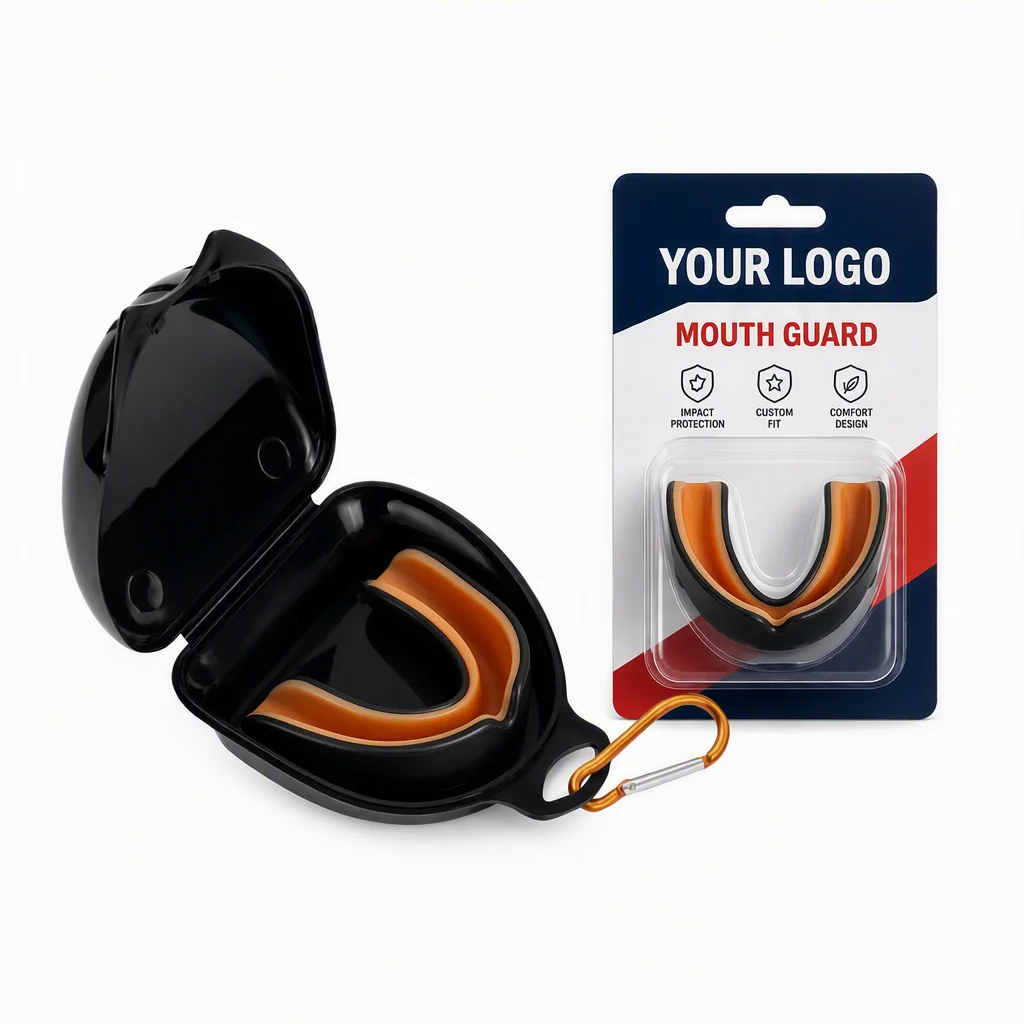
A boxing custom mouth guard is usually made from an impression or scan that represents the wearer's teeth. The resulting model guides fabrication. By contrast, a self-adapted mouth-formed guard is shaped in the mouth, often after warming according to its instructions. Both need checking; the method of making a guard does not by itself verify its protection.
When comparing sports gear, distinguish between a personalized appearance and an individualized fit. A chosen color or logo does not mean a guard has been made on a model of the wearer's teeth. Ask the supplier to explain the process in plain language before deciding.
Check the fit before the first round
A boxing custom mouth guard should seat securely without forcing the wearer to bite down continuously to hold it in place. With the guard fitted, the boxer should be able to breathe comfortably and communicate. If it lifts easily, pinches the gums or makes the bite feel uneven, set it aside and ask the provider or a dental professional to assess it.
A practical fitting routine
- Seat the guard as directed and check that it does not rock or shift with normal movement.
- Notice any rough edge, pressure point or area that rubs the cheek or gums.
- Try speaking and breathing at rest, then check comfort during light movement before contact practice.
- Discuss the coverage and bite with a dental professional if the guard feels loose or painful.
Comfort is not merely a luxury. A guard that distracts the wearer or is repeatedly removed is less useful during practice. At the same time, a thin-feeling guard is not automatically the right choice: coverage, construction and the athlete's needs all matter.
Protection depends on the whole design
Requests for premium protection are easier to evaluate when they are translated into specific questions. How much of the relevant dental arch is covered? What materials and construction are specified? Is the design intended for boxing contact? Ask for product-specific documentation rather than assuming that a particular thickness, material name or number of layers guarantees performance.
A dental professional can advise on coverage for the individual wearer. Many athletic guards cover the upper teeth, but the appropriate arrangement can depend on the bite and dental circumstances. A boxing custom mouth guard should not interfere with breathing or cause the wearer to alter their bite just to keep it seated.
If braces, restorations or other appliances are present, involve the treating dental professional before ordering. Teeth can move during orthodontic treatment, and a growing athlete's mouth changes over time. A previously comfortable guard may then need adjustment or replacement. Do not trim or heat a finished custom guard unless its provider explicitly advises that it is appropriate.
Compare the options without overreading the label
| Question | What to check | Why it matters |
|---|---|---|
| How is it fitted? | Dental impression or scan, versus a self-adapted mouth-formed process | The steps and support available to the wearer differ. |
| Who assesses the fit? | Instructions for seating, coverage and resolving pressure points | A snug appearance alone does not establish a usable fit. |
| What is documented? | Intended sport, material information and any applicable test records | Claims need evidence that relates to the actual product. |
| What happens if it changes? | Care instructions and a route for fit reassessment | Wear, dental work and growth can change how the guard sits. |
For a retailer or gym buying sports gear, a sample review should include both the written instructions and the experience of fitting the product. Ask how a wearer reports a problem and what information is needed to resolve it. For a boxing custom mouth guard, the impression or scan process and any remake policy deserve particular attention.
Care between sessions
Follow the maker's care instructions for the specific material. The ADA advises rinsing a mouthguard before and after use and periodically cleaning it in cool, soapy water followed by a thorough rinse. Store it in its protective case and allow it to dry; protect it from excessive heat that could alter its shape.
Inspect the guard before training for cracks, worn areas, rough edges or changes in fit. Replace or have it assessed if it is damaged or no longer sits securely. A boxing custom mouth guard should also be rechecked after dental work, changes in braces or a noticeable change in the bite. Bring it to dental appointments so a professional can review its condition and fit.
Questions to ask before purchasing
Before treating “premium protection” as a product conclusion, request answers that relate to the actual guard and the person who will wear it.
- Is the boxing custom mouth guard made from an individual impression or scan, and who takes it?
- What guidance is provided for checking retention, coverage and comfort?
- What material and sport-specific information can the supplier document?
- How are fit concerns, braces and changes in dental condition handled?
- What cleaning, storage and replacement guidance comes with the guard?
For wholesalers and online sellers, add questions about packaging, instructions, order requirements and the evidence behind claims in the destination market. Keep unverified claims out of listings until the relevant documentation has been reviewed.
A well-considered boxing custom mouth guard starts with the wearer's mouth and the realities of training, rather than an impressive label. Confirm the fit, understand the product information and make regular inspection part of the routine. If pain, a dental injury or an uncertain fit arises, stop using the guard and seek advice from a qualified dental professional.
 Hot News